
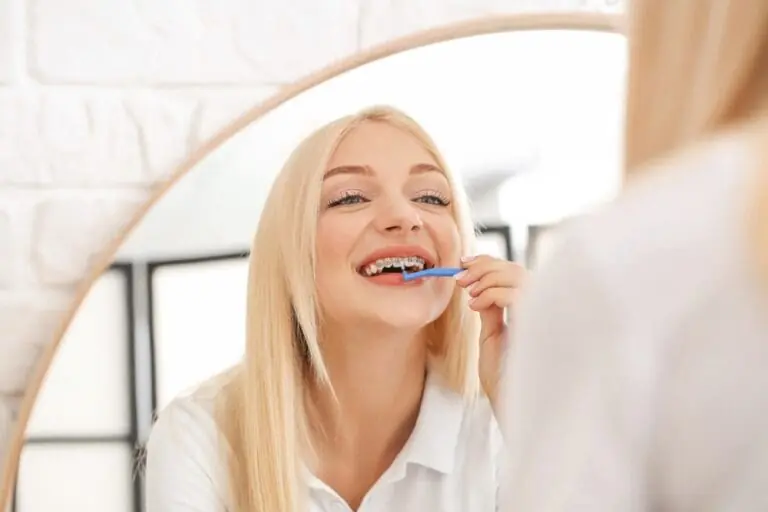
Are you having a hard time with how to floss with braces in San Antonio, TX? Start by using waxed floss or a floss threader to help guide the floss under your braces wire. Gently move the floss between your teeth, sliding it up and down to remove plaque and food particles. Be sure to clean along the gum line and hug each tooth’s surface. Take your time and use gentle motions to protect your braces and gums.
For a complete step-by-step guide, read the full article to learn more.

Why Flossing Is Important When You Have Braces
Braces are great at straightening teeth, but they make cleaning tougher. Food particles and plaque can get stuck in tight spaces around the wires and brackets. If left there, this can lead to tartar, tooth decay, plaque buildup, and gum disease. Flossing helps remove debris that brushing alone can’t reach. Clean gums and teeth also make your braces work faster and more effectively.
Tools to Make Flossing with Braces Easier
Using the right tools can make flossing with braces quick and simple. Here are some of the best helpers:
Floss Threaders
A floss threader is like a small needle that helps you guide dental floss under the wires. This lets you clean between your teeth without damaging the braces. Many orthodontists, including Fiesta Orthodontics, provide these handy aids to patients.
Water Flossers
A water flosser uses a jet of water to clean between teeth and around braces. It’s perfect for people who struggle with string floss or have sensitive gums. Adding a water flosser to your routine makes cleaning easier and faster. According to Dr. Nicholas Andros, a professional orthodontist in Pasco, WA, water flossers are perfect for patients who find traditional flossing challenging, offering a quick and thorough cleaning solution.
Superfloss
Superfloss has both stiff and spongy parts, making it ideal for navigating under archwires and around brackets. It’s excellent for removing debris from awkward spots.
Interdental Brushes
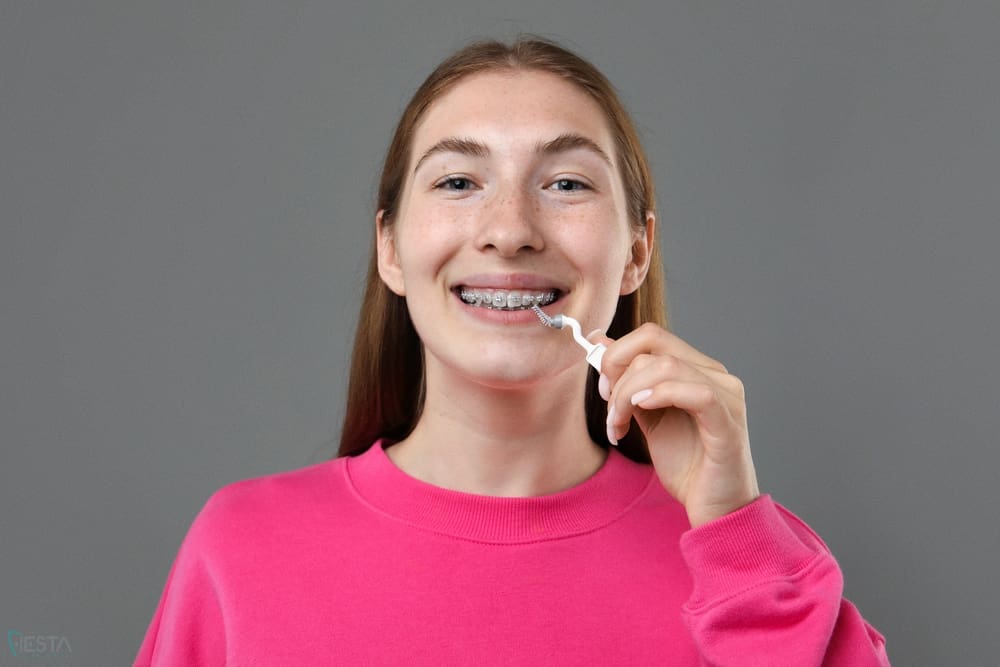
An interdental brush, or proxabrush, is a small brush designed to fit between teeth. It’s especially helpful for removing plaque between wires and tight spaces.
Floss Picks
Floss picks combine a handle with a piece of floss, making it easier to clean between teeth while navigating around braces. Picks are great for patients who find traditional flossing difficult.
Where to Find These Tools
You can find flossing tools like threaders, water flossers, interdental brushes, and superfloss at drugstores, online stores, or orthodontic offices. Fiesta Orthodontics in San Antonio, TX, provides starter kits with useful tools to help you keep up with your hygiene routine.
How to Floss with Braces: Step-by-Step Guide
Following a proper flossing technique can help you clean your teeth more effectively. Here’s how to floss when you’re wearing braces:
Step 1: Set Up Your Floss and Thread It
Cut about 18 inches of floss. Use a floss threader to guide the floss under the wires of your braces. This helps you reach spots that a toothbrush can’t clean. Take your time when threading the floss so you don’t pull or bend the wires. Waxed floss is often easier to use because it slides smoothly and won’t get stuck between brackets.
Step 2: Clean Each Tooth
Wrap the floss around each tooth in a “C” shape. Gently slide it up and down and along the gumline to remove plaque and food particles. Be careful not to snap the floss, as it can hurt your gums or damage the brackets.
Step 3: Water Flosser for Hard-to-Reach Areas
If you’re struggling to clean certain areas, use a water flosser as an extra step. Aim the water jet at tough spots like the back teeth, brackets, and around wires. Start at a low pressure to protect sensitive gums.
Step 4: Brush Your Teeth
Once you finish flossing, brush your teeth with a soft-bristle toothbrush and fluoride toothpaste. Focus on cleaning around your brackets and wires with circular motions. Don’t forget to rinse with fluoride mouthwash for added protection against cavities.
Cleaning Tips for Different Braces
The type of braces you have might influence how you floss. Here’s what to know:
- Metal Braces: Take your time threading floss under wires to clean thoroughly.
- Clear Ceramic Braces: Floss gently to avoid chipping or cracking these delicate brackets.
- Lingual Braces: Since these are behind your teeth, a water flosser or proxabrush can help with precision cleaning.
- Self-Ligating Braces: These have fewer parts but still require regular flossing to keep gums healthy.
Common Flossing Challenges and How to Solve Them
While it may take some practice to master flossing with braces, you can overcome common issues with these solutions:
1. Sensitive Gums
If your gums are tender, rinse with warm saltwater after flossing. Floss gently and avoid pressing too hard. Over time, your gums will get healthier and less sensitive.
2. Hard-to-Reach Spaces
Tight spaces around brackets and wires can be tough. Use tools like water flossers or interdental brushes to clean areas regular floss can’t reach.
3. Difficulty Handling String Floss
If threading floss feels frustrating, try floss picks or pre-threaded flossers. These tools are easier to use and save time.
Professional Care at Fiesta Orthodontics
At Fiesta Orthodontics, we’re here to make your braces journey as smooth as possible. We help patients maintain excellent oral hygiene and avoid the issues that come with poor cleaning habits.
What We Offer:
- Flossing Demonstrations: Learn proper flossing techniques during your appointments.
- Custom Cleaning Kits: Get starter packs with all the tools you need for braces care, including floss threaders and superfloss.
- Expert Advice: Our team is here to guide you and address challenges like tartar, tight spaces, or gum inflammation.
Maintaining Oral Hygiene After Braces
When your braces come off, your commitment to oral care shouldn’t stop. Good dental hygiene habits protect your straightened smile.
Wear and Clean Your Retainer
Your retainer keeps your teeth aligned. Clean it daily to prevent plaque and bacteria from building up. Always store your retainer in its case when not in use to keep it safe and clean. Rinse it with cool water after each meal, and avoid using hot water since it can warp the material.
Floss Daily
Even without braces, flossing stays important. It prevents plaque buildup and protects your gums from disease. Flossing removes food that brushing can miss, especially between tight spaces. Use a gentle, back-and-forth motion to avoid hurting your gums.
Brush and Visit Regularly
Brush for at least two minutes, twice a day. Make sure to visit your dentist and orthodontist every six months. Professional cleanings will keep your enamel strong and your teeth healthy.
Start Your Flossing Routine
Flossing with braces might be challenging at first, but it gets easier with practice. At Fiesta Orthodontics in San Antonio, TX, we’re here to help you succeed. Schedule a consultation today, and let us guide you toward a clean, healthy smile during your orthodontic journey.
About The Authors
Dr. Fateh Arslan – Orthodontist in San Antonio, TX
Dr. Nicholas Andros – Orthodontist in Pasco, WA
Frequently Asked Questions
How can I tell if I’m flossing correctly?
You know you’re flossing right if the floss squeaks a little as it slides between your teeth. Wrap it in a C-shape around each tooth and move it up and down gently. Go just under the gum line, but don’t push too hard. A little bleeding at first is normal and should stop with practice. Use about 18 inches of floss and switch to a clean part for each tooth. If you do this, you’re on track!
What to do if there is no floss?
No floss? That’s okay! You can use a clean thread or a thin string. Interdental brushes, dental tape, or water flossers also work well. In a pinch, you can gently use a toothpick or swish water to clear food bits. These are not perfect, but better than nothing. Just be gentle so you don’t hurt your gums.
How long can you go without flossing with braces?
With braces, don’t go more than one day without flossing. Brackets and wires trap food easily, which can cause plaque, cavities, and gum problems. Daily flossing keeps your teeth and gums clean and healthy. Use a floss threader or special tool if needed. A little effort each day will pay off when your braces come off!